Introduction
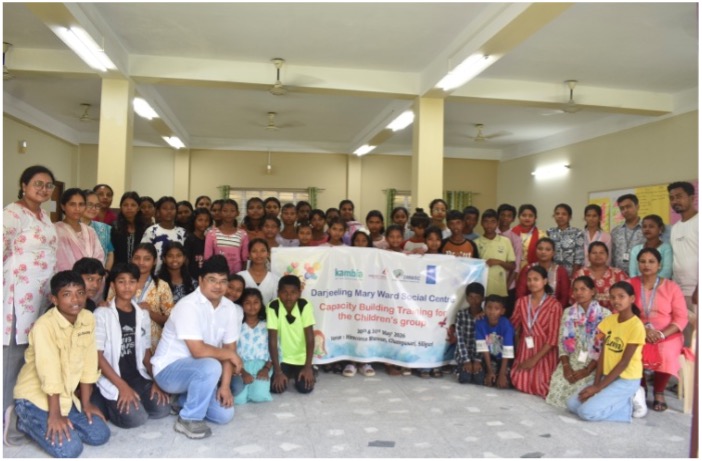
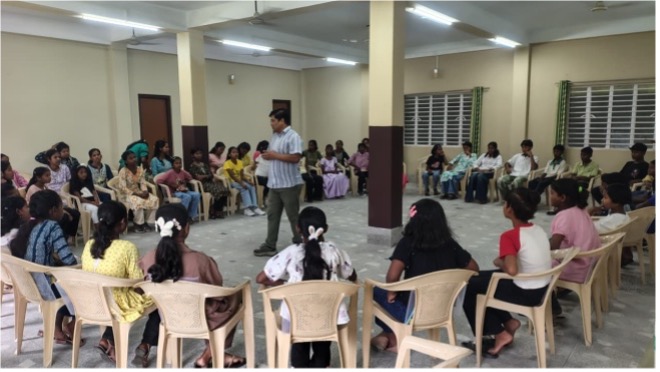
A two-day Capacity Building Training was organized for children to enhance their knowledge and understanding of child rights, child protection, the United Nations Convention on the Rights of the Child (UNCRC), Sustainable Development Goals (SDGs), leadership, communication skills, and child-led advocacy. The training adopted a participatory approach, encouraging children to learn through discussions, games, group work, presentations, videos, and practical activities. The programme aimed to create a safe and engaging learning environment where children could express their views, build confidence, and strengthen their leadership potential.
Objectives
The objectives of the training were:
• To increase children’s understanding of child rights and the UNCRC.
• To promote awareness on child protection issues, including child marriage.
• To develop leadership, communication, and teamwork skills among children.
• To introduce children to the Sustainable Development Goals (SDGs) and their relevance in everyday life.
• To strengthen children’s confidence, participation, and decision-making abilities.
• To encourage child-led advocacy and active participation in community development.
• To build awareness about personal safety, support systems, and available child protection services.
Activities
Day 1 Activities
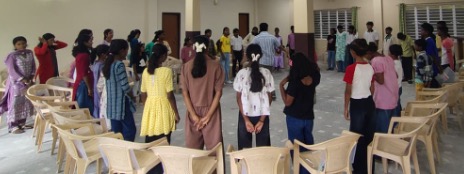
The training commenced with a warm welcome and introduction session, where participants and resource persons introduced themselves. This helped create a friendly and comfortable learning environment. To build rapport and energize the participants, a series of ice-breaking activities and games were conducted. Children participated in music-based games, walk-and-talk exercises, and name-sharing activities that encouraged interaction and teamwork. Self-appreciation and group appreciation exercises, including clapping activities, were also organized to boost confidence and create a positive atmosphere.
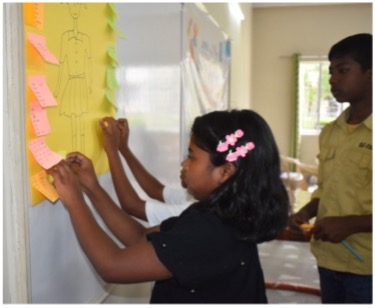
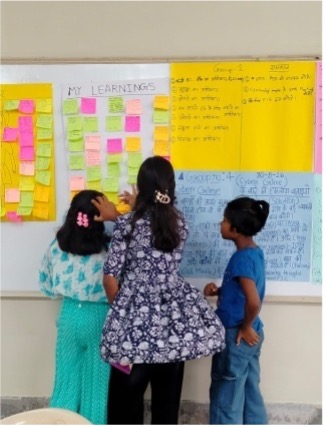
Following the introductory activities, the participants were divided into five groups and invited to share their expectations from the training. Each group discussed and wrote down what they hoped to learn during the programme. The expectations were displayed on chart papers and discussed collectively, allowing facilitators to understand the children’s interests and learning needs.
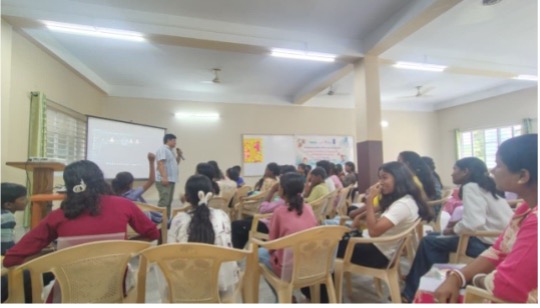
A video on child rights was screened to introduce key concepts in an engaging manner. After the screening, an interactive discussion was held during which children reflected on the messages conveyed through the video, shared their opinions, and asked questions. This session helped participants understand the importance of rights and responsibilities in their daily lives.
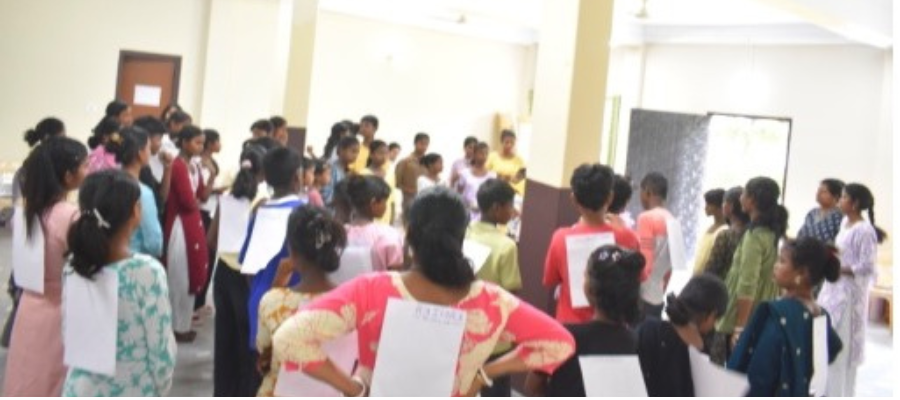
To maintain energy levels and encourage active participation, a short dance and exercise session was conducted. This was followed by an innovative activity called “Friends’ Qualities.” Each participant wrote their name on a sheet of paper and attached it to their back. Other participants then wrote positive qualities, strengths, and encouraging messages about that child. At the end of the activity, children read the comments written by their peers and shared their feelings with the group. The activity promoted self-confidence, mutual respect, and appreciation among participants.
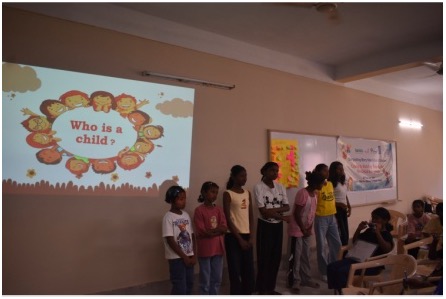
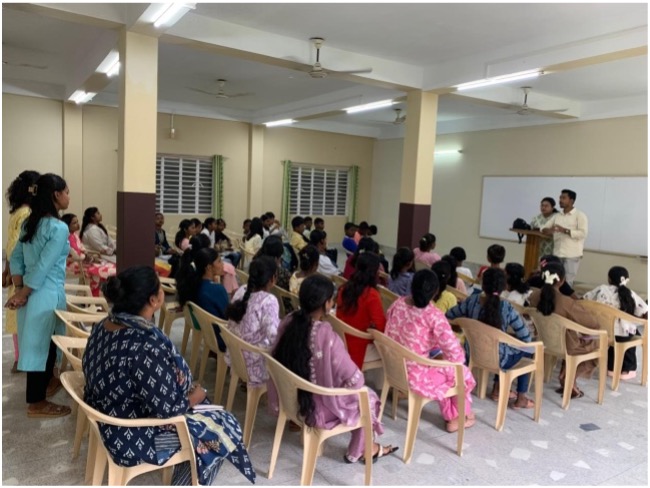
The resource person then facilitated a detailed session on the history and evolution of child rights and the United Nations Convention on the Rights of the Child (UNCRC). The discussion covered the background of child rights, the significance of the Convention, and important articles that protect children’s rights worldwide.
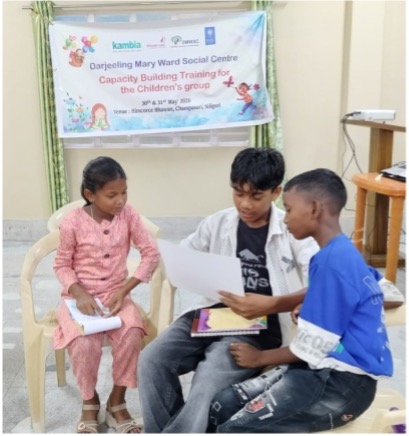
To reinforce learning, participants were divided into groups and provided with different stories and case scenarios. Each group analyzed the issues presented in the stories, identified the rights involved, discussed possible solutions, and linked the situations to relevant UNCRC articles. The groups recorded their findings on chart papers and presented them before the larger group, encouraging critical thinking, teamwork, and problem-solving skills.
At the end of the programme, participants shared their feedback by writing their reflections and suggestions on feedback slips.
The training concluded successfully with active participation, enthusiasm, and a better understanding of child rights, UNCRC principles, and child-led advocacy among the children.
Day 2 Activities
The second day began with a review and reflection session, during which participants revisited key learnings from the previous day. Children were encouraged to share what they remembered and discuss how they could apply their learning in their daily lives and communities.
A session on environmental awareness and sustainability was conducted to help children understand environmental challenges and the importance of protecting natural resources. Through discussions and examples, participants explored practical ways to contribute to environmental conservation and sustainable development.
The programme then focused on helping children understand their value and role in society. Through interactive discussions, participants reflected on their responsibilities within their families, schools, and communities and recognized their potential to become positive change-makers.
Several team-building and communication activities were organized to strengthen cooperation and leadership skills. Participants were divided into groups and engaged in games that required trust, teamwork, and effective communication. Group leaders were selected and encouraged to guide their teams in completing various tasks. These activities highlighted the importance of collaboration, listening skills, and collective decision-making.
A key session on child marriage was conducted to raise awareness about its causes, consequences, and prevention. Through practical examples and discussions, children learned about the negative impacts of child marriage on education, health, personal development, and future opportunities. Information about Childline 1098 and available support mechanisms was also shared to ensure that children knew where and how to seek help if required.
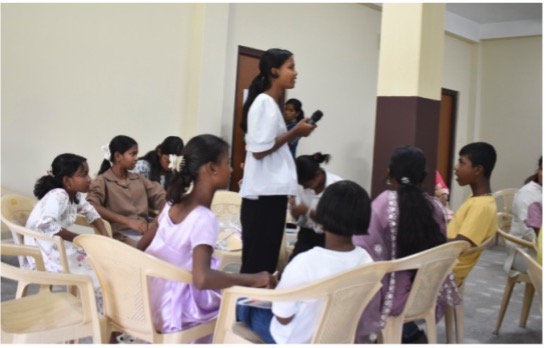
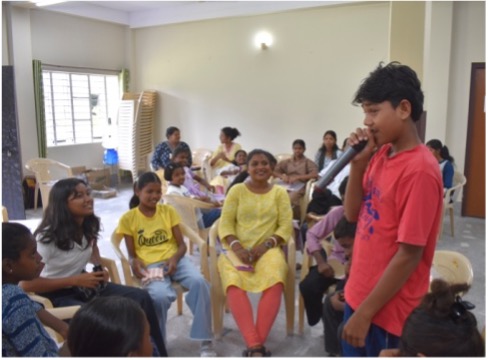
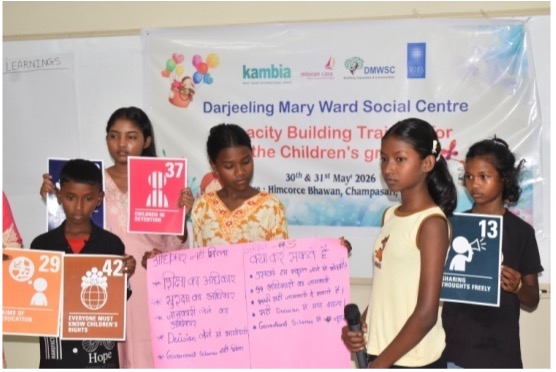
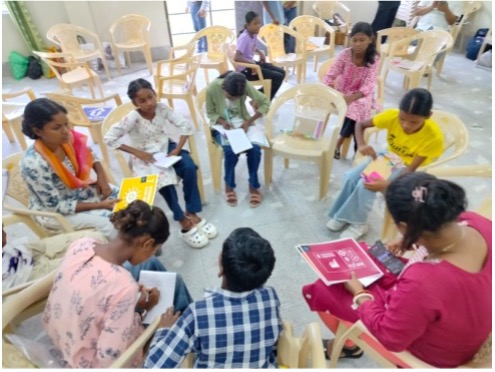
The facilitator then introduced the Sustainable Development Goals (SDGs) in detail. All 17 SDGs were explained using child-friendly examples to help participants understand their significance. To deepen their understanding, children were divided into six groups and provided with SDG cards. Each group discussed its assigned goal, identified key issues and solutions, and prepared presentations on chart papers. Group representatives then presented their work before the larger group, promoting teamwork, public speaking, and analytical thinking.
A smiley activity was conducted to encourage children to express their feelings, emotions, and experiences. The activity created a safe space for sharing personal thoughts and helped participants understand the importance of emotional well-being and communication.
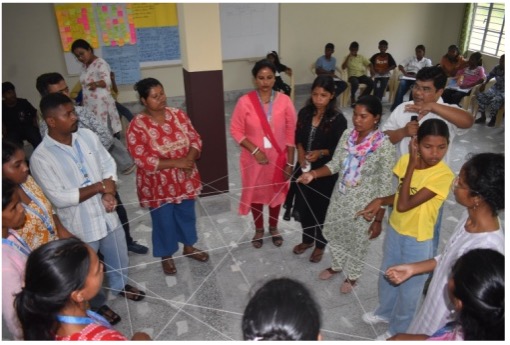
The programme also included confidence-building games and a Safety Net activity. Through these exercises, children identified trusted individuals and support systems they could approach during difficult situations. The activities helped strengthen awareness about personal safety, protection, and available sources of support.
A digital literacy session introduced participants to the educational uses of Google and responsible internet usage. Children learned how digital resources can support learning, information gathering, and skill development when used safely and effectively.
The session provided an opportunity for children to seek guidance and express their hopes for the future.
Finally, participants completed feedback forms and shared their reflections on the two-day training programme. The training concluded with closing remarks and appreciation for the enthusiastic participation and contributions of all the children.
Aprendizados
• Understand the basic concepts of child rights and the provisions of the UNCRC.
• Identify different forms of child rights violations and available protection mechanisms.
• Explain the harmful effects of child marriage and ways to seek support.
• Demonstrate improved communication, leadership, and teamwork skills.
• Understand the importance and relevance of the 17 Sustainable Development Goals.
• Recognize the importance of environmental protection and sustainable practices.
• Express their opinions, feelings, and concerns with greater confidence.
• Identify trusted individuals and support systems available during difficult situations.
• Use digital resources responsibly for learning and information gathering.
• Participate actively in discussions, presentations, and advocacy-related activities.
Conclusão
The two-day training was successfully conducted with active participation and enthusiasm from all children. Through a combination of interactive learning methods, discussions, games, group work, and practical exercises, participants gained valuable knowledge on child rights, child protection, Sustainable Development Goals, leadership, communication, and advocacy. The programme strengthened children’s confidence, critical thinking, teamwork, and awareness of their rights and responsibilities. Overall, the training contributed significantly to empowering children to become informed, confident, and active contributors to their communities.
Autor: Priyanka Saha, Coordinator, Darjeeling Mary Ward Social Center